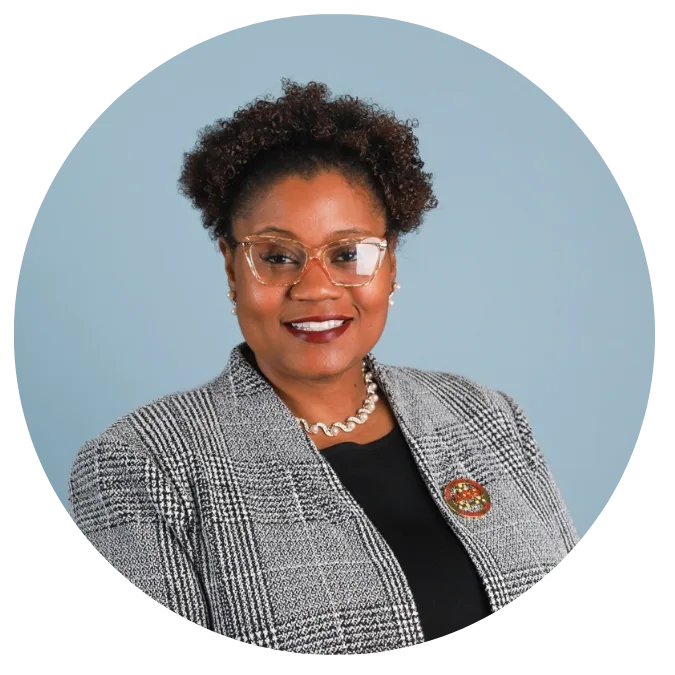
Dr. Akeya Simeon’s research found differences between how fraternity and sorority members and campus administrators understood hazing policies, laws and prevention efforts. That finding suggests that sending one more policy email may not fix the gap if the people receiving it interpret the message differently.
Her work earned the Association of Fraternity/Sorority Advisors’ 2025 Dissertation of the Year Award.What did Dr. Simeon study?
Dr. Simeon completed The Kaleidoscope Effect: A Solution-Focused Approach to Hazing Prevention, a Mixed Methods Study at West Virginia University in 2024.
The research examined Interfraternity Council and Panhellenic Association student populations alongside the perspectives of college administrators.
According to the dissertation record maintained by West Virginia University, the project began with survey responses from Baylor University, James Madison University, Louisiana State University, Pennsylvania State University and Washington State University.
Dr. Simeon then combined quantitative and qualitative methods to study how participants made sense of hazing behavior, policies and prevention.
The study found differences in perception among IFC members, Panhellenic members and administrators. It did not claim that every student or administrator thinks the same way. It identified patterns within the people and institutions studied.
That limitation is important. Responsible research gives readers findings and boundaries.
Why do differences in perception matter?
A university may believe it has clearly defined hazing. Students may hear that definition and apply it differently to traditions inside their organizations.
One person may recognize an activity as coercive. Another may defend it as voluntary because participation was never described as mandatory. A member may focus on physical harm while overlooking humiliation, isolation, forced labor or deliberate emotional pressure.
That gap can weaken prevention.
Rules still matter. Laws still matter. Reporting processes still matter. Dr. Simeon’s research raises an additional question: Do members and administrators understand those systems in the same way?
If they do not, education must make room for examples, discussion and honest examination of how group behavior is justified.
The work received national recognition
The Association of Fraternity/Sorority Advisors selected Dr. Simeon’s research for its 2025 Dissertation of the Year Award. AFA presents the award to research that makes a significant contribution to knowledge about fraternity and sorority life.
AFA also identifies Dr. Simeon as a member of Delta Sigma Theta Sorority, Inc. and notes her work developing prevention programs, conducting training and researching student development and organizational accountability.
She now serves as director of Fraternity and Sorority Life at the University of South Florida. The university’s official staff directory confirms her current role.
That combination matters. She is not studying fraternity and sorority life from a distant position. She works directly in the field while producing research that can inform how institutions and organizations respond to risk.
Positive recognition must include safety work
Impact is often measured through scholarships, meals distributed, volunteer hours and money raised. Those outcomes deserve attention.
Prevention work deserves recognition too.
Helping an organization identify harmful practices before someone is injured may never produce the same kind of photo as a service event. Its value may appear in a conversation that changes, a tradition that gets replaced or a member who feels safe enough to speak.
That work is harder to count, but it is part of caring for members.
Recognizing hazing-prevention research does not label every fraternity or sorority as unsafe. It recognizes that organizations committed to their values must be willing to examine where their actions conflict with those values.
What can organizations take from the research?
Dr. Simeon’s study supports several questions chapters, councils and administrators can ask:
- Can members explain hazing without reading a policy word for word?
- Do examples address emotional, social and psychological harm?
- Are students able to discuss traditions without immediately becoming defensive?
- Do prevention programs explain what healthy replacement activities can look like?
- Are administrators listening to how students interpret the guidance they receive?
- Can members report concerns without losing access to support?
These questions do not replace the dissertation’s findings. They are practical reflections suggested by the communication gap the study identified.
The Gold Standard of Excellence
GLOs United recognizes Dr. Akeya Shonte Simeon for bringing research, professional practice and sorority membership into the same conversation about member safety.
Her work asks the fraternity and sorority field to do more than repeat its rules. It asks whether those rules are understood, trusted and applied when group pressure enters the room.
Know a member, advisor, researcher or organization doing work that protects people or strengthens Greek-letter communities?
Submit your impact story